
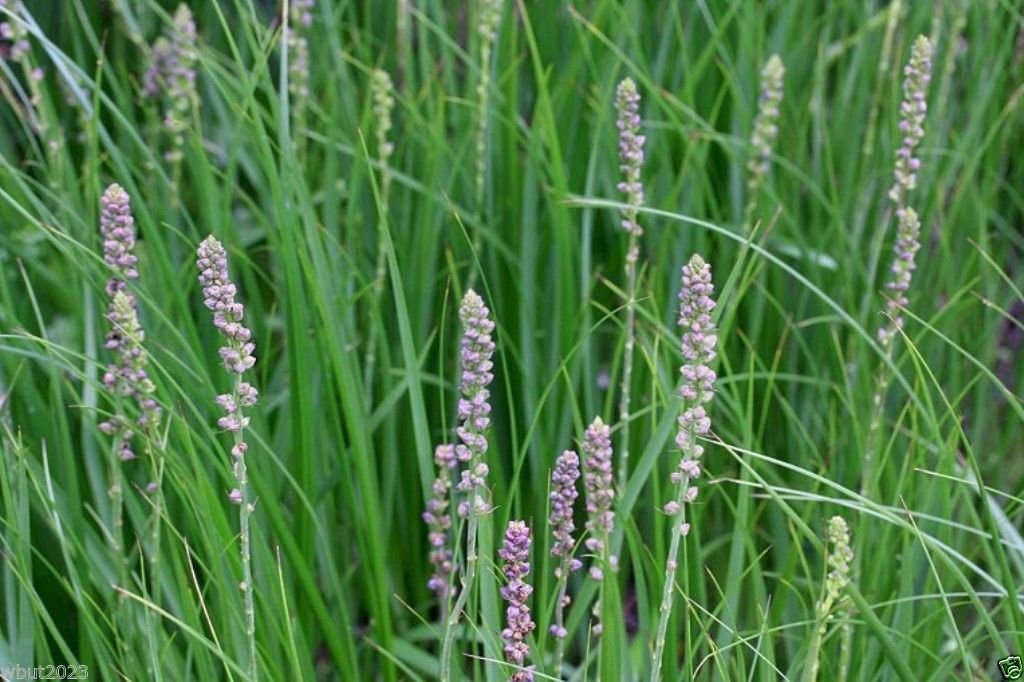
Anemarrhena root for depression has similar pathways new medical innovations use for treatment-resistant depression
- New medical innovations for treating resistant-depression
- Novel effects works on multiple pathways: NMDA, glutamate and dopamine receptors
- Anemarrhena root (Zhi Mu) TCM herb affects same pathways
- Long history of use for depression in ancient China, often with Lily Bulb
Other uses:
- Neuroprotective
- Improves learning and memory
- Cooling and Yin nourishing to cool internal heat, maintain bodily balance
- Respiratory Support: chronic bronchitis and other lung-related issues.
- Fever and Heat-Related Conditions: may be helpful for hot flashes and night sweats.
- Diabetes
- Anti-inflammatory
Some of us may have heard of the new experimental innovations in the clinical setting for treatment of medication ‘resistant’ or severe depression. They often use magic mushrooms or related compounds for remarkable results almost immediately, especially those involving post-traumatic stress PTSD. The TCM herb Anemarrhena or Zhi Mu shares similar pharmacology by activating glutamate neurotransmitters in the prefrontal lobe of our brain or inhibiting the NDMA (N-D-methyl aspartate) receptors (Guo, 2016). This brain region is where higher-level cognitive functions occur, often referred to as executive functions for planning, decision-making, working memory, personality, and social behavior happen. One clarification: glutamate in this context is not the same as the toxic food additive MSG (monosodium glutamate) because it is an essential major brain chemical all of us possess for regular thought processes.
Anemarrhena’s also works another way with its bioactive mangiferin which increases dopamine, another pathway for alleviating depression (Lei, 2025).
A historic, ancient Chinese combo of lily bulb and anemarrhena rhizome has been used as a decoction for treating depression for over two thousand years according to the book, Synopsis of the Golden Chamber by Zhang Zhongjing in the Han Dynasty, and is still being widely used in clinical treatment of depression (Pan, 2024). Another combo uses Anemarrhena with Phellodendron cortex to block chronic stress-induced depression by reducing several pro-inflammatory factors in the brain.
Revealing the mechanisms of action, a novel compound derived from sarsasapogenin in Anemarrhenae rhizome increases glutamate release and enhances long-term synapse activity (brain cell connections), and has anxiety reducing effects to reverse depressive and anxiety symptoms. It also activates nerve growth factor pathways, an essential part of the long-term enhancement of brain physiology underlying the rapid antidepressant and anxiety reducing effects.
For those wanting another added benefit, it is a nootropic and memory herb. The neurotrophic activities based on BDNF secretion improve learning and memory functions. Two wins: reduced depression and better cognitive function!
Draco manufactures an 8:1 concentrated extract of Anemarrhena rhizome for your formulating needs and can make a formulation blend with Lily Bulb or Phellodendron.
Cosmetic Corner: Wrinkle protection with Anemarrhena
As we know, excess sun exposure leads to obvious wrinkle development even in younger people from frequent exposure which many are doing to get their ‘natural vitamin D’ levels. A phytocompound timosaponin A-III found in Anemarrhena has photoprotective properties against UVB damage to skin cells (keratinocytes). An extract containing 0.25% of TA-III used on 21 female subjects between the ages of 43 and 55 who were beginning to form or already had wrinkles had less skin wrinkling after 12 weeks of use (P < 0.05) with no side effects (Im, 2020).
Great info.
Great info.